When your air conditioner suddenly stops working on a scorching Arizona afternoon, it’s not just uncomfortable — it can be dangerous. In Surprise, where summer temperatures easily soar above 110°F, losing your cooling system is a real emergency.
This guide will walk you through what to do during an AC breakdown, when to call for emergency AC service, and how to stay cool while waiting for help.
Why AC Failures Happen During Peak Heat
AC units in Arizona work overtime, especially during June through September. This constant strain often leads to breakdowns, including:
- Overheated compressors
- Refrigerant leaks
- Electrical malfunctions
- Clogged filters or coils
When these issues strike, your comfort — and safety — depend on quick action.
That’s where professional Emergency AC Service comes in. Experienced technicians can diagnose and repair your system quickly, no matter the time of day.
Immediate Steps to Take When Your AC Stops Working
Before panicking, follow these quick checks to rule out simple problems:
- Check your thermostat – Make sure it’s set to “cool” and the batteries aren’t dead.
- Inspect your circuit breaker – A tripped breaker might be the cause.
- Look at your air filter – Dirty filters can restrict airflow and cause overheating.
- Listen for unusual noises – Buzzing or clicking may signal electrical issues.
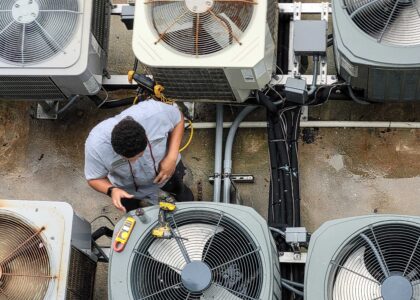
- Check the outdoor unit – Make sure it’s not covered in debris or leaves.
If none of these simple fixes restore cooling, it’s time to call for professional Emergency AC Service.
When It’s Truly an Emergency
Not all AC problems require immediate service, but some situations are urgent. Call for emergency assistance if:
- Indoor temperatures exceed 85°F for more than an hour
- You have young children, seniors, or pets in the home
- You smell burning or see sparks or smoke
- Your system is leaking refrigerant or water
Prompt service can prevent bigger issues like system failure or property damage.
How Emergency AC Technicians Respond
When you call for emergency help, expect a quick, structured response. A professional technician will:
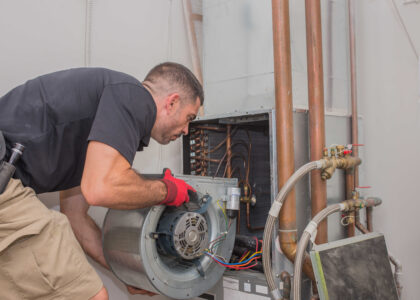
- Diagnose the issue fast using advanced tools.
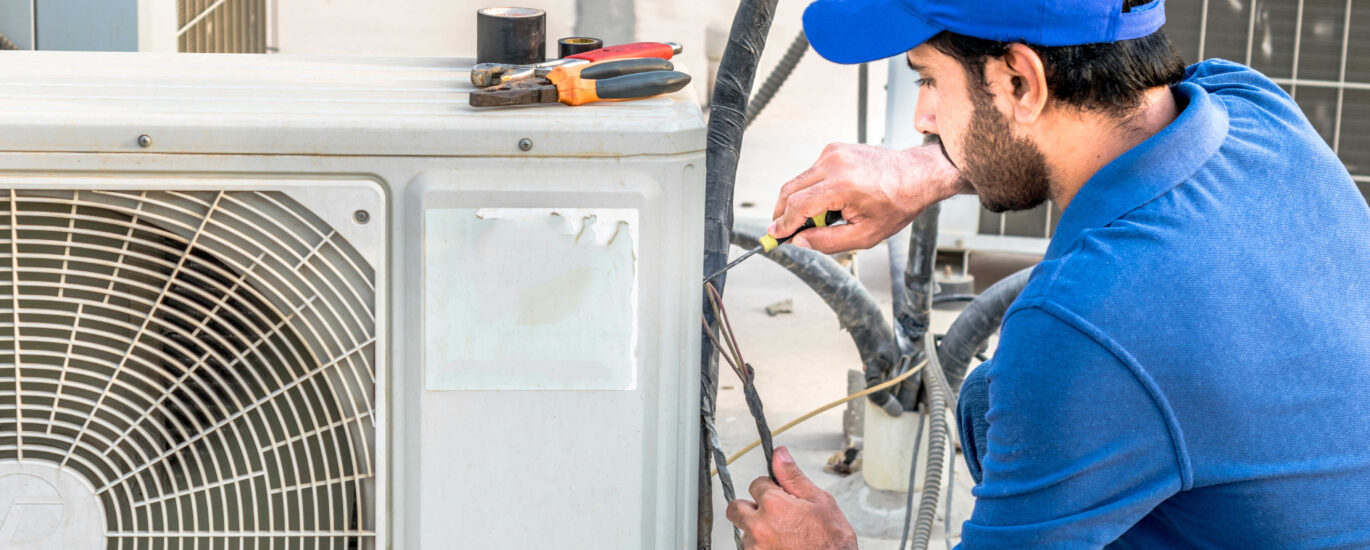
- Isolate dangerous components, like shorted wires or overheated compressors.
- Repair or replace parts on-site whenever possible.
- Test system performance before leaving your home.
Visit our Emergency AC Service page for full details on what’s included in a rapid-response visit.
How to Stay Cool Until Help Arrives
While waiting for a technician:
- Close blinds and curtains to block sunlight.
- Use ceiling fans to circulate air.
- Avoid using heat-generating appliances.
- Stay hydrated and move to the coolest part of your home.
If indoor temperatures rise too high, consider staying elsewhere temporarily until repairs are complete.
Preventing Future Emergencies
The best way to avoid unexpected breakdowns is through routine maintenance. Schedule:
- Seasonal tune-ups before summer begins.
- Regular filter changes every 30–60 days.
- Visual inspections of your outdoor unit.
Final Thoughts
AC emergencies can strike at the worst possible time — but knowing what to do makes all the difference. If your cooling system stops working, don’t wait. Schedule immediate help through our Emergency AC Service or contact us today.
Meta Description: