
Introduction
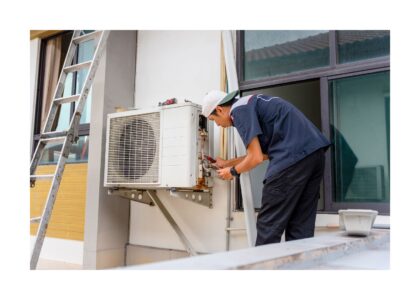
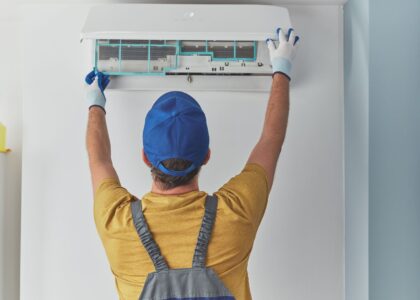
Replacing an AC compressor is a major job—but knowing what to expect helps you feel in control. Understanding the steps, the time involved, and the work done ensures you’re not left in the dark. This blog takes you through each phase of the process, what professionals check, and how to prepare. If you want to understand more broadly about when and why to replace a compressor, see our article on Signs You Need a Compressor Replacement (see Blog 1) or jump to the full Compressor Replacement page for service details.
Pre-Replacement Diagnostics
Before any replacement begins, proper reasoning is required. Your technician should:
- Inspect refrigerant levels & detect leaks.
- Check electrical components: wiring, capacitors, contactors, breaker behavior.
- Evaluate physical state: outdoor unit cleanliness, outdoor coil condition.
- Measure performance: cooling output, system pressures, temperature differentials.
These steps ensure the replacement is really needed and that no hidden issues will cause failure again.
Step-by-Step: The Compressor Replacement Process
Here’s a high-level walkthrough of what typically happens during compressor replacement. When done right, this ensures reliable cooling and good long-term performance.
- Recovering remaining refrigerant
- Environmental safety is critical. Proper equipment is used to recover refrigerant rather than release it.
- Ensures safety for technicians, property, and compliance with regulations.
- Disconnecting & removing the old compressor
- Disconnect wiring, remove bolts, detach refrigerant lines.
- Clean the area to ensure new compressor fits correctly.
- Installing new compressor
- Match specification: capacity, type (scroll, reciprocating etc.), voltage, compatibility with system.
- Secure mechanical mounts and make sure it’s aligned properly.
- Vacuum test & purge
- Pull a vacuum to remove moisture, air, non-condensable gases. Moisture inside system can damage the compressor or cause other faults.
- Recharge refrigerant
- Use correct type & amount. Overcharging or undercharging can harm performance.
- Electrical reconnection & safety checks
- Ensure wiring is correct and safe.
- Check capacitor start devices, check breakers and fuses.
- System testing & calibration
- Measure pressures, temperatures, air flow.
- Listen for unusual sounds.
- Check that cooling output matches specifications.
Estimated Time & What Impacts It
- Average residential compressor replacement might take 2-5 hours, depending on complexity.
- Factors affecting time:
- Accessibility of outdoor unit.
- Type of compressor being replaced.
- Extent of cleaning required (dirty coils, rust, etc.).
- Existing damage or secondary issues discovered during diagnostics.
After Replacement: What You Should Do
- Replace or clean air filters regularly. Restrictive airflow stresses the new compressor.
- Maintain outdoor unit: clear debris, ensure good airflow around it (at least 2 feet of clearance).
- Schedule periodic maintenance. Annual checks can catch small issues early.
- Monitor for odd sounds, high energy use, or inconsistent cooling—addresses them early.
Why Proper Replacement Matters
- Ensures that you get a compressor that’s matched to your system’s design, capacity, and electrical setup.
- Helps protect other components from damage due to incorrect pressures or mismatched parts.
- Improves energy efficiency, reducing monthly bills.
- Enhances overall comfort—consistent cooling, fewer temperature swings.
Linking Back & Moving Forward
If you’re unsure whether your compressor needs replacement, revisit Signs You Need a Compressor Replacement (Blog 1) for early indicators. If you’ve already made the decision, our detailed Compressor Replacement page outlines exactly what’s included in our service in Surprise AZ. Interested? Reach out through our Contact Us page to schedule your service or get more details.