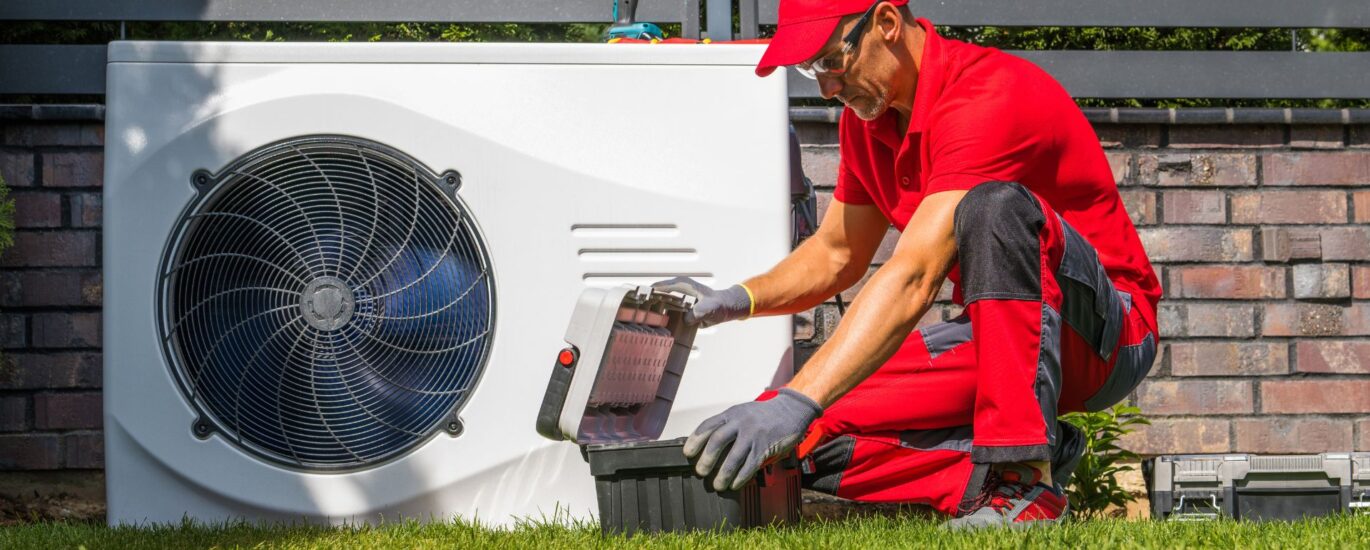
A heat pump is one of the most valuable systems in your home, working year-round to keep you comfortable. But just like any mechanical equipment, it needs proper attention to run smoothly and efficiently. Ignoring early warning signs or skipping regular upkeep can lead to expensive repairs and even complete system failure. With proactive care, you can avoid unnecessary headaches and extend the life of your unit.
In this article, we’ll explore practical ways to stay ahead of heat pump problems, lower your energy bills, and ensure that your home remains comfortable in every season.
Why Proactive Heat Pump Care Matters
Your heat pump is constantly working—cooling in the summer and heating in the winter. Over time, this continuous operation can wear down components if not properly maintained. By addressing issues early, you not only save money but also prevent sudden breakdowns when you need your system most.
Many homeowners don’t realize that small issues can escalate quickly. For example, a clogged filter can reduce airflow, which then forces the system to work harder. This can eventually damage the compressor, one of the costliest parts to replace. With simple habits and timely maintenance, you can avoid these unnecessary expenses.
If you want to learn more about why ignoring heat pump problems can cost you in the long run, check out this helpful guide: Why Ignoring Heat Pump Repairs Can Cost You More in the Long Run.
1. Schedule Regular Maintenance
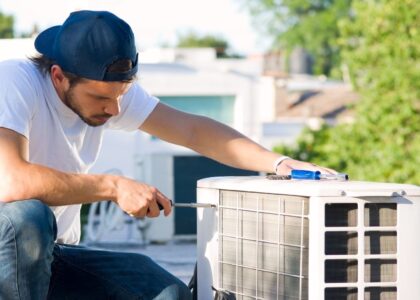
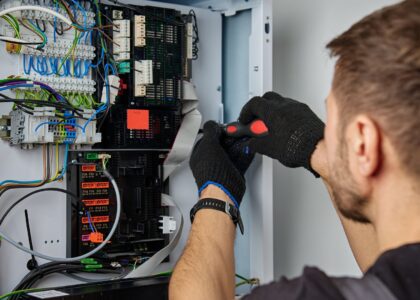
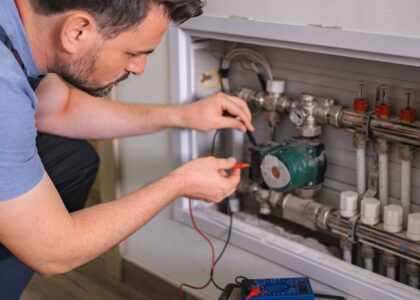
Routine professional maintenance is the cornerstone of heat pump care. During a check-up, a technician will:
- Inspect electrical connections
- Clean coils and filters
- Check refrigerant levels
- Test thermostat accuracy
- Ensure all components are operating efficiently
These appointments allow small issues to be caught early, such as a loose wire or low refrigerant, before they develop into costly repairs. Additionally, regular maintenance boosts efficiency, which means your system uses less energy to keep your home comfortable.
When was the last time you scheduled professional service? If it’s been over a year, it’s a good idea to schedule a heat pump repair or maintenance appointment today.
2. Address Issues Promptly
Strange noises, weak airflow, or sudden temperature fluctuations are red flags that should never be ignored. The longer you wait to fix these issues, the worse they become. For example:
- Unusual noises may indicate loose components, which can cause more severe damage if left unaddressed.
- Reduced airflow could be caused by blockages or motor problems that strain the system.
- Performance issues might be due to refrigerant leaks or faulty sensors.
Prompt action not only saves money but also prevents your home from becoming uncomfortable at the worst possible time. If you notice anything unusual, reach out right away through the contact page.
3. Keep Outdoor Units Clear
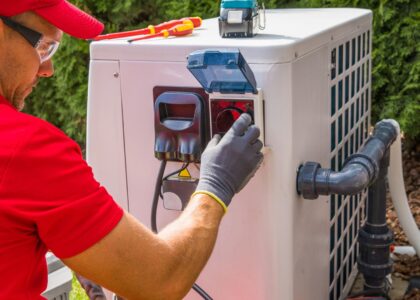
Your outdoor heat pump unit plays a vital role in the system’s performance. When leaves, dirt, grass clippings, or other debris pile up around the unit, airflow is restricted. This forces the system to work harder, increasing wear and tear.
To prevent this, follow these simple steps:
- Clear away leaves, grass, and dirt around the outdoor unit regularly.
- Trim back shrubs or plants to maintain at least two feet of clearance on all sides.
- Avoid stacking items or placing objects too close to the system.
This simple habit keeps your unit running more efficiently while reducing the chances of a breakdown.
4. Monitor Your Energy Bills
Your monthly energy bill can be an early warning sign of heat pump issues. A sudden increase in usage without a change in your household habits often signals a problem. For example:
- Dirty filters make the system work harder, increasing energy use.
- Low refrigerant levels cause inefficiency and poor performance.
- Worn components can reduce overall system efficiency.
By tracking your bills month to month, you can spot potential problems early and schedule service before the issue worsens.
Additional Tips to Protect Your Heat Pump
Along with the core steps above, here are a few extra ways to give your system the best care:
- Replace air filters regularly: Dirty filters block airflow and reduce efficiency. Replace them every 1–3 months depending on usage.
- Check thermostat settings: Ensure your thermostat is programmed correctly for the season. Smart thermostats can optimize usage and lower costs.
- Avoid overworking your system: Don’t set your thermostat to extreme temperatures. Gradual adjustments put less stress on the unit.
These small changes add up over time, helping your system last longer while keeping your home comfortable.
The Cost of Neglecting Heat Pump Care
When you skip maintenance or ignore warning signs, the risks can be costly:
- Higher repair costs: Small issues escalate into major breakdowns that require expensive fixes.
- Shorter system lifespan: A neglected heat pump won’t last as long, leading to premature replacement.
- Decreased comfort: Inconsistent heating or cooling disrupts your home environment.
- Increased energy bills: An inefficient system consumes more power, spiking your monthly costs.
Taking preventive steps is always more affordable than dealing with emergency repairs or replacements.
Final Thoughts
Staying ahead of heat pump problems doesn’t require major effort—just consistency. With regular maintenance, prompt repairs, a clear outdoor unit, and careful monitoring of your energy bills, you can enjoy reliable comfort while avoiding costly breakdowns.
If your heat pump hasn’t been checked recently, now is the perfect time to act. Schedule your heat pump service or repair today to ensure your system is running at its best. For questions or to set up an appointment, reach out via the contact page.